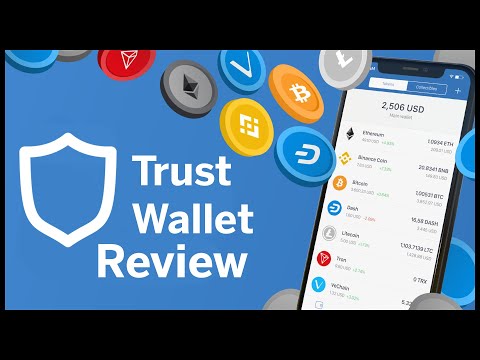
Trust Wallet —
Cryptocurrencies have evolved from a speculative hobby to a powerful global technology with real financial opportunities. But accessing crypto safely requires the right tools—and that starts with choosing a reliable crypto wallet. Among the many wallets available today, Trust Wallet has become one of the most trusted gateways into the world of digital assets and Web3. It gives users complete control over their cryptocurrencies without relying on banks, brokers, or centralized exchanges.
This guide explores Trust Wallet from the ground up—what it is, how it works, why it matters, and how to use it securely. Whether you're a beginner learning to store crypto for the first time or a Web3 enthusiast exploring staking and dApps, this 2000-word deep dive will give you everything you need.
What Is Trust Wallet?
Trust Wallet is a non-custodial mobile crypto wallet that lets users store, buy, send, receive, swap, and stake cryptocurrencies while retaining full ownership of their private keys. “Non-custodial” means that unlike Coinbase or Binance, Trust Wallet does not hold your assets on your behalf. Instead, your crypto remains on the blockchain, and Trust Wallet gives you secure access to it.
In simple words:
If you use Trust Wallet, you—not a third party—are the owner of your crypto.
The wallet is available for both Android and iOS and has grown into one of the most widely used Web3 tools worldwide because of its simplicity and broad blockchain support.
Why Millions of People Choose Trust Wallet
There are thousands of crypto apps, so what makes Trust Wallet stand out? The answer lies in its unique combination of accessibility, security, and flexibility.
Key advantages include:
Full control over your private keys and funds
Supports 10M+ tokens across 100+ blockchains
Beginner-friendly interface suitable for non-technical users
All-in-one functionality—DeFi, NFTs, staking, swapping, and more
Backed by Binance while operating independently
No sign-up, no KYC, no email required
Open-source and transparent security architecture
Trust Wallet is both powerful enough for advanced crypto investors and intuitive enough for first-time users.
Understanding How Trust Wallet Works
Crypto doesn’t actually live inside Trust Wallet—your coins remain on their blockchains. What Trust Wallet manages are the keys to access them. When you create a wallet, Trust Wallet generates:
A public address (used to receive crypto)
A private key (used to access and spend crypto)
A recovery phrase (backup of the private key)
The recovery phrase is the most important component. If someone gets it, they get your crypto. If you lose it, no company—not even Trust Wallet—can restore your assets.
This decentralized architecture gives users complete authority over their funds, removing reliance on third-party institutions.
Supported Cryptocurrencies and Networks
A major reason Trust Wallet is highly recommended is its unbeatable asset coverage. Instead of storing only Bitcoin or only Ethereum like some wallets, Trust Wallet supports:
Bitcoin (BTC)
Ethereum (ETH)
BNB Smart Chain (BSC)
Polygon (MATIC)
Avalanche (AVAX)
Solana (SOL)
Tron (TRX)
Litecoin (LTC)
TON
Arbitrum, Optimism, Base, ZkSync, and many more
Additionally, it supports:
Stablecoins (USDT, USDC, DAI, BUSD…)
NFTs on multiple blockchains
DeFi and GameFi tokens
Meme coins and new project tokens
Because Trust Wallet adds blockchain support frequently, it stays future-ready in a constantly expanding crypto landscape.
How to Set Up Trust Wallet (Beginner-Friendly)
Setting up Trust Wallet is simple and takes only a few minutes.
Download Trust Wallet from the official app store
Open the app and select “Create a new wallet”
Choose to generate a recovery phrase
Write down the phrase on paper—never take screenshots or photos
Confirm the phrase, following the order of the words displayed
Enable app security (biometrics or passcode)
Your wallet is now ready to use
Once your wallet is active, you can add tokens, send and receive crypto, or explore Web3 dApps.
Adding Crypto to Trust Wallet
There are three main ways to add funds:
1. Receiving Crypto From an Exchange
Users can send funds from Binance, Coinbase, Kraken, or any exchange. Simply:
Open Trust Wallet
Select the asset you want to receive
Tap Receive
Copy your public wallet address
Paste it into the withdrawal section of your exchange
Make sure you select the correct transmission network—for example, don’t send Ethereum on the Bitcoin network.
2. Buying Crypto Inside Trust Wallet
Trust Wallet allows in-app purchases using third-party partners such as MoonPay and Transak. Payment methods vary by country but commonly include credit or debit card and bank transfer.
3. Peer-to-Peer Transfers
If someone wants to send you crypto directly, simply share your wallet address and wait for blockchain confirmations.
Sending Crypto from Trust Wallet
To send funds:
Select the asset you want to transfer
Tap Send
Paste the recipient’s public address
Enter the amount
Approve the network transaction fee
Confirm the transfer
Blockchain transactions cannot be reversed, so double-check addresses before approving.
Swapping Crypto in Trust Wallet
One of the advantages of Trust Wallet is that you can exchange tokens without using centralized exchanges.
There are two swapping systems:
Trust Wallet Swap (quick and simple)
DEX Swap (access to decentralized liquidity pools on BSC or Ethereum)
Everything occurs directly on the blockchain using smart contracts. The wallet never takes custody of your crypto.
Staking Crypto to Earn Rewards
Trust Wallet includes staking for passive income. Popular stakeable coins include:
BNB
Solana (SOL)
Cosmos (ATOM)
Tron (TRX)
Tezos (XTZ)
Polkadot (DOT)
Users can view APY (annual percentage yield), delegate tokens, and track rewards in real time.
NFT Support and Web3 dApps
Trust Wallet is not only for coins—it’s a full Web3 wallet.
You can:
Store NFTs
View NFT collections inside the app
Trade NFTs through integrated marketplaces
Connect to GameFi and DeFi apps using WalletConnect
Interact with Web3 tools without sign-ups or logins
Trust Wallet gives the average smartphone user access to the expanding decentralized economy.
Is Trust Wallet Safe? Security Breakdown
Trust Wallet is extremely safe—if the user protects their recovery phrase. Here’s how the wallet secures funds:
Private keys never leave your phone
Recovery phrase is stored offline, not on Trust Wallet servers
No personal information is required to create a wallet
App lock via biometrics and passcode
Open-source code for transparency
However, users must follow proper self-custody practices. The biggest risk is not hackers—it’s human error.
Must-Follow Safety Rules for Trust Wallet Users
To protect your assets:
Never share your recovery phrase under any circumstances
Never enter your phrase into websites or Google Docs
Never send your phrase to customer support or Telegram groups
Keep your phrase stored offline, not on a phone or computer
Only interact with legitimate dApps and token contracts
Double-check blockchain networks before sending funds
Rule #1: If someone asks for your recovery phrase, they are trying to steal your crypto.
Common Trust Wallet Problems and Fixes
ProblemLikely CauseFixToken not showingNot added manuallyAdd token via contract addressSwap failedLow gas or pool issueIncrease gas or use a different DEXApp will not openDevice cache issueUpdate the app or restart deviceSent to wrong networkNetwork mismatchUse a bridging tool if compatibleLost phoneN/ARestore wallet using recovery phrase
99% of issues can be resolved easily if the recovery phrase is safely stored.
Who Should Use Trust Wallet?
Trust Wallet is ideal for:
Beginners entering crypto for the first time
Investors who want full control over their assets
NFT collectors
Users exploring dApps, DeFi, Web3, and GameFi
People who want a multi-chain wallet instead of several single-chain ones
The wallet is extremely versatile—users can grow from simple hodling to full Web3 participation without switching platforms.
Benefits and Limitations
No wallet is perfect, so understanding both sides is important.
Pros
Free and easy to use
Extensive blockchain and NFT support
Built-in swapping and staking
No KYC or sign-up required
Non-custodial ownership of funds
Cons
Mobile-only—no official desktop version
Users are 100% responsible for security of the recovery phrase
Gas fees can vary depending on blockchain congestion
Trust Wallet prioritizes independence and decentralization, which gives freedom but also personal responsibility.
Final Thoughts — Trust Wallet as a Gateway to Financial Independence
Trust Wallet isn’t just a storage app; it’s a passport to the digital economy. It enables ordinary users to participate in decentralized finance, interact with Web3 apps, hold and trade NFTs, earn staking rewards, and explore thousands of blockchain networks with complete ownership of their assets.
Crypto is built on the idea of financial self-sovereignty, and Trust Wallet delivers exactly that. You don’t need permission from a bank or exchange to move your money. You don’t need to provide documents, identity verification, or passwords. The power lies entirely with the user.
But with freedom comes responsibility. If you protect your recovery phrase, Trust Wallet becomes one of the safest methods to hold cryptocurrency. For users who want control, privacy, and direct access to the crypto world, Trust Wallet is more than a tool—it’s a gateway to true financial independence.